
Investor platform for European modular development
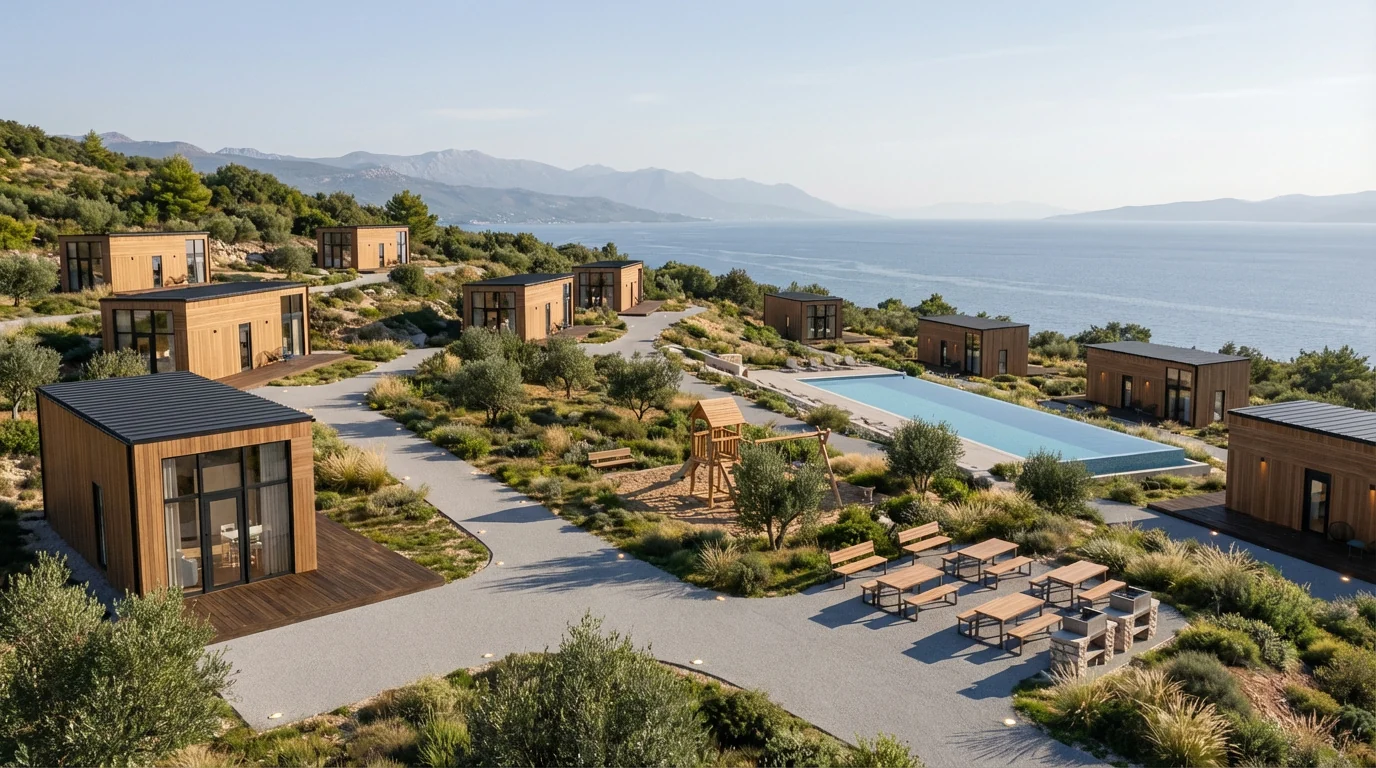
Scalable Modular Villages for Hospitality, Glamping and Residential Development
QHOME combines ready modular homes, fast deployment, predictable CAPEX and phased expansion logic for investors, landowners and hospitality operators.
Investment thesis
Why Modular Villages Are Investable Now
Faster deployment
Compared with traditional construction, factory-built modules can reduce the exposed on-site build period once permits and utilities are ready.
Lower site complexity
More value is produced before delivery, reducing the number of trades and unmanaged variables on the land.
Scalable by phases
Projects can start with a first revenue phase and expand after measured ADR, occupancy and operating cost.
Multi-market demand
Tourism, glamping, workforce housing, private resorts and land monetization all need repeatable accommodation units.
Productized architecture
Standardized models make planning, procurement, visualization and future procurement cycles more predictable.
ESG narrative
Factory production can support a lower-waste construction narrative, subject to verified material and lifecycle data.
Market opportunity
European hospitality and housing projects need faster infrastructure.
European tourism regions need faster hospitality infrastructure. Developers face high construction costs, long timelines and labor shortages. Modular construction solves for speed, standardization and repeatability when local permits, utilities and logistics are planned correctly.
Southern Europe, Croatia, Portugal, Spain, Greece and Madeira are priority markets because tourism demand, land redevelopment and seasonal accommodation gaps can create strong use cases for modular villages.
Validation before commitment
Country-level ADR, occupancy and seasonality should be checked against local hospitality data.
Permitting, utilities, access and fire routes must be reviewed before final unit mix and CAPEX.
Each financial model should compare modular delivery against local construction alternatives.
Business models
Five ways QHOME can participate in modular development.
Modular Home Sales
Selling individual homes to private landowners and small developers.
Modular Village Development
Clusters of 10-50 units for glamping, eco-resorts, campsites and retreat projects.
Hospitality Operator Partnership
QHOME supplies units; the operator manages booking, service and guest experience.
Landowner Joint Venture
Landowner contributes land; QHOME or investor provides modular product and rollout.
White Label / Developer Supply
QHOME produces modular units for developers under partner branding.
Use cases
Modular village formats investors can underwrite.
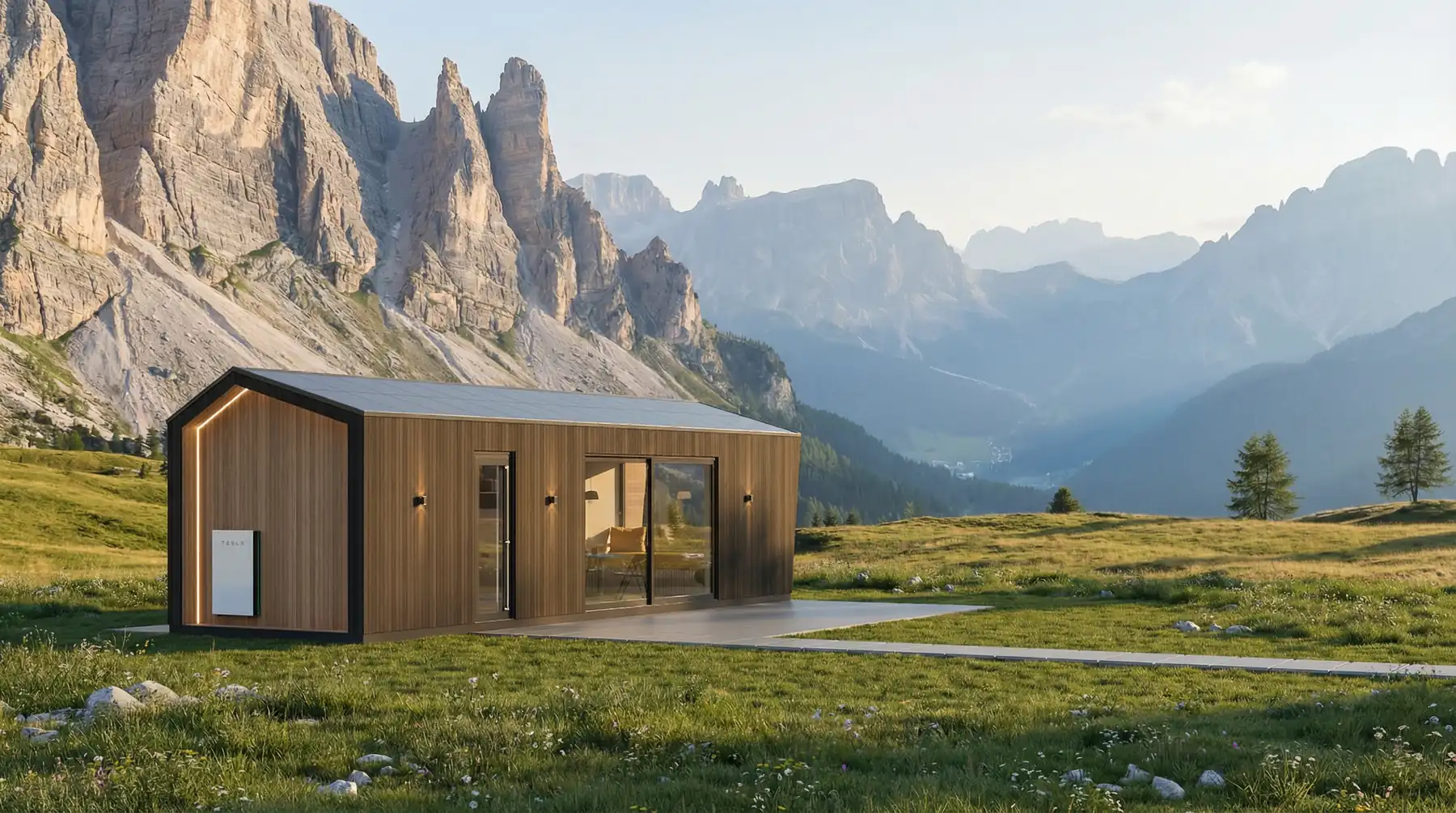
Glamping village
Client: campsite or operator
Count: 10-30 modules
Revenue: nightly rental and amenities
Why modular: fast room count with strong photo assets.
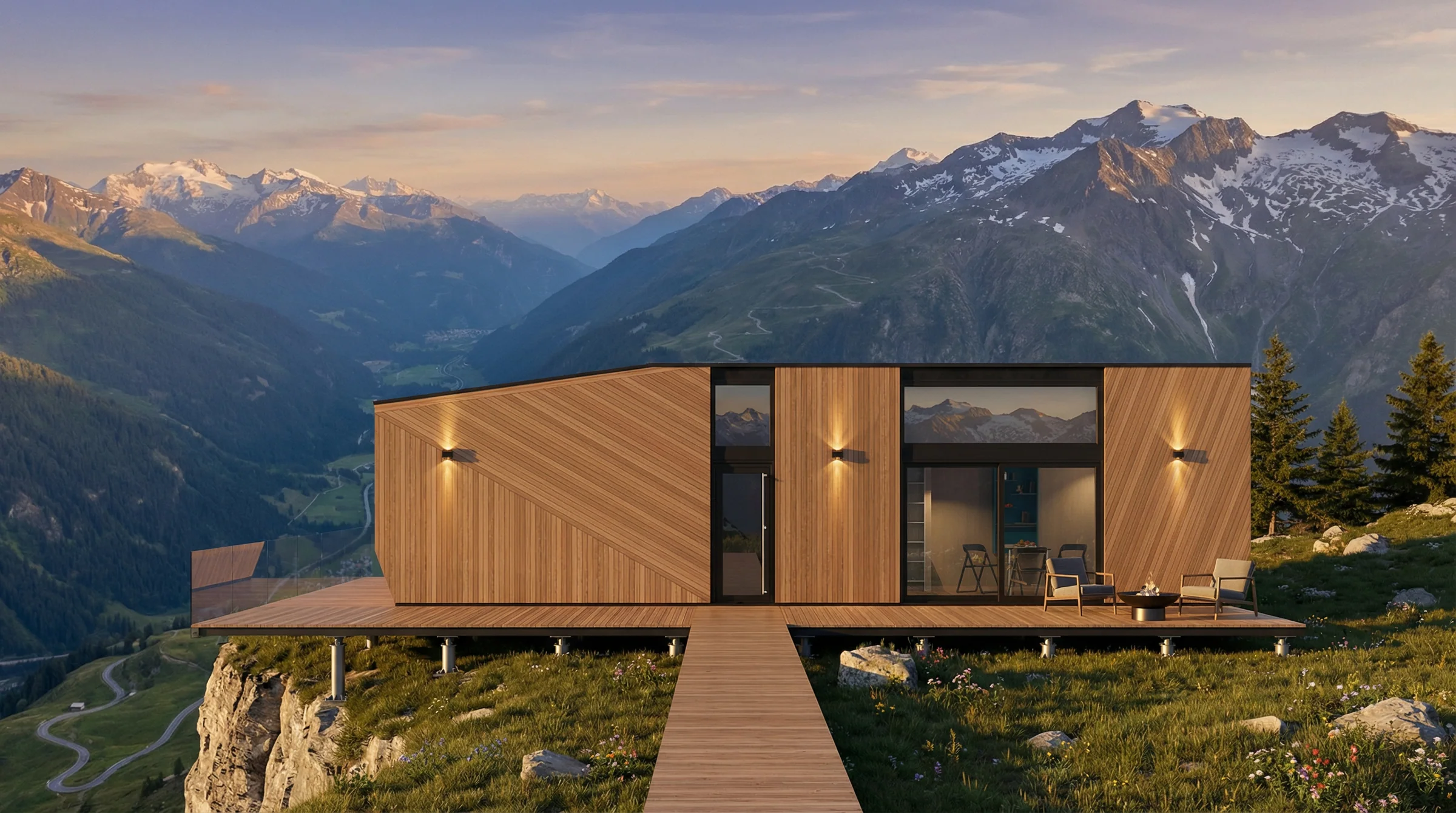
Coastal eco-resort
Client: resort developer
Count: 20-50 modules
Revenue: rooms, food, events
Why modular: repeatable units across sensitive sites.
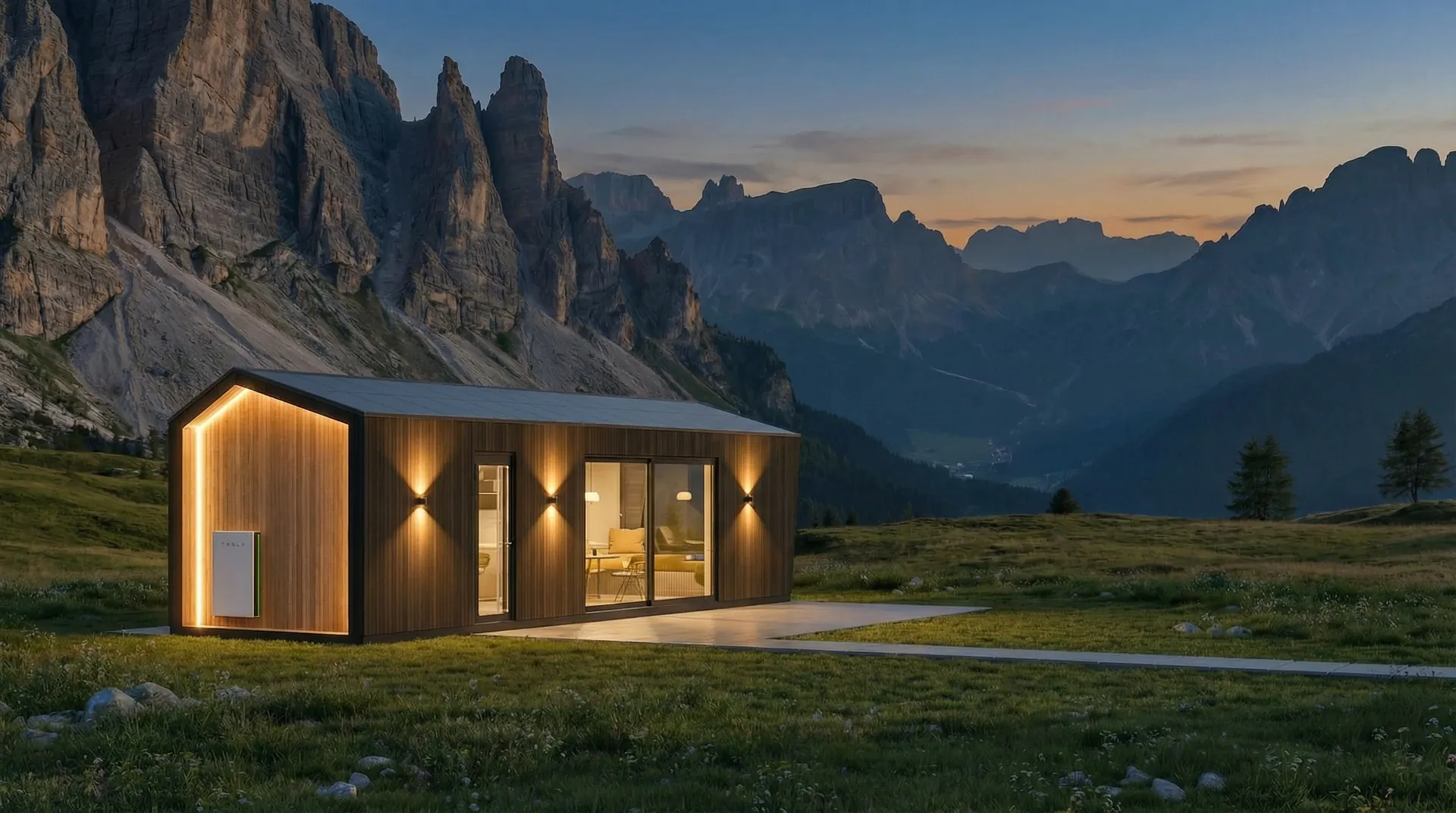
Mountain retreat
Client: hospitality operator
Count: 8-25 modules
Revenue: premium short stays
Why modular: controlled production before a seasonal launch window.
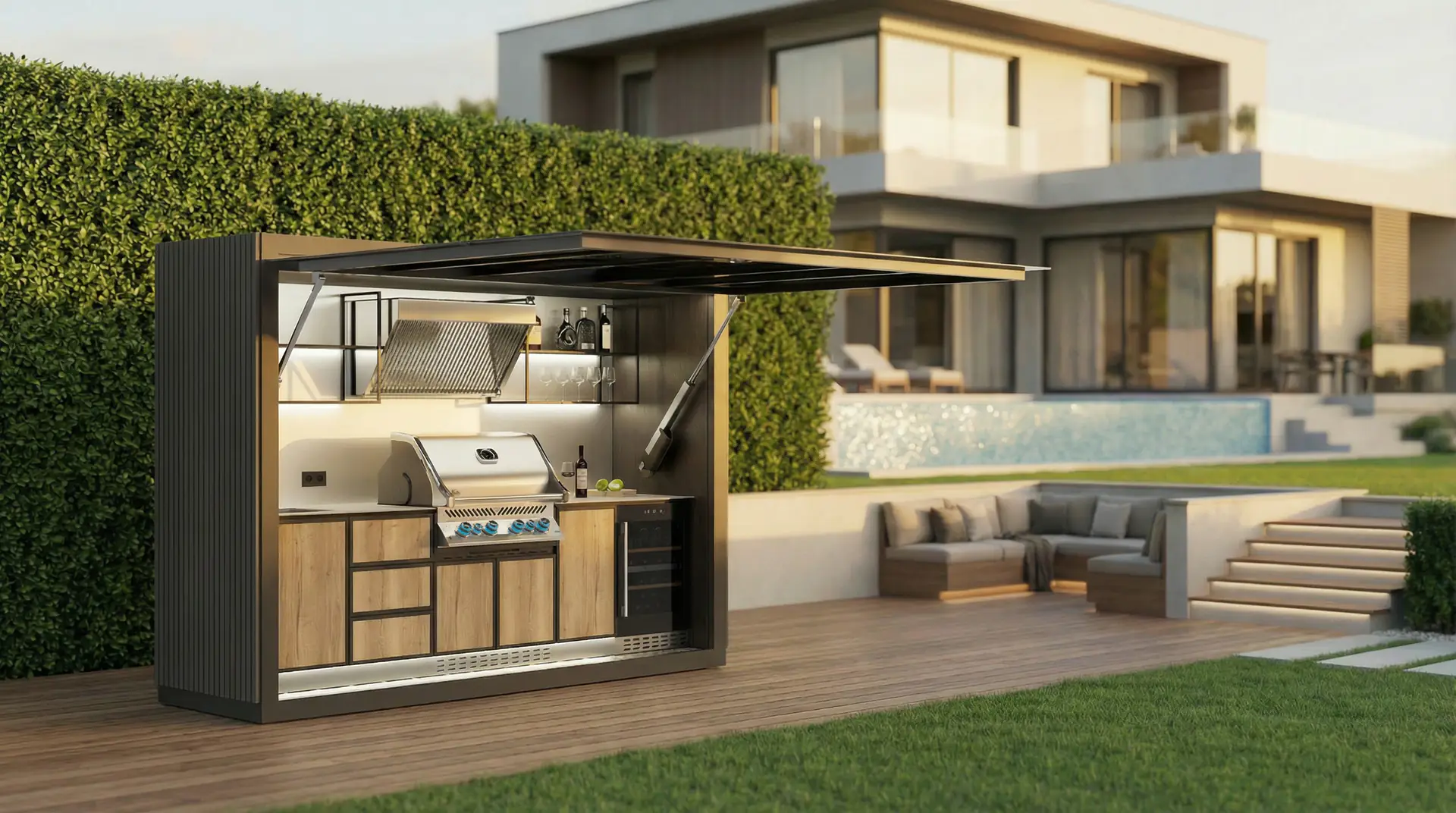
Vineyard hospitality
Client: winery or estate
Count: 5-15 modules
Revenue: stays, tastings, events
Why modular: adds accommodation without rebuilding the core estate.
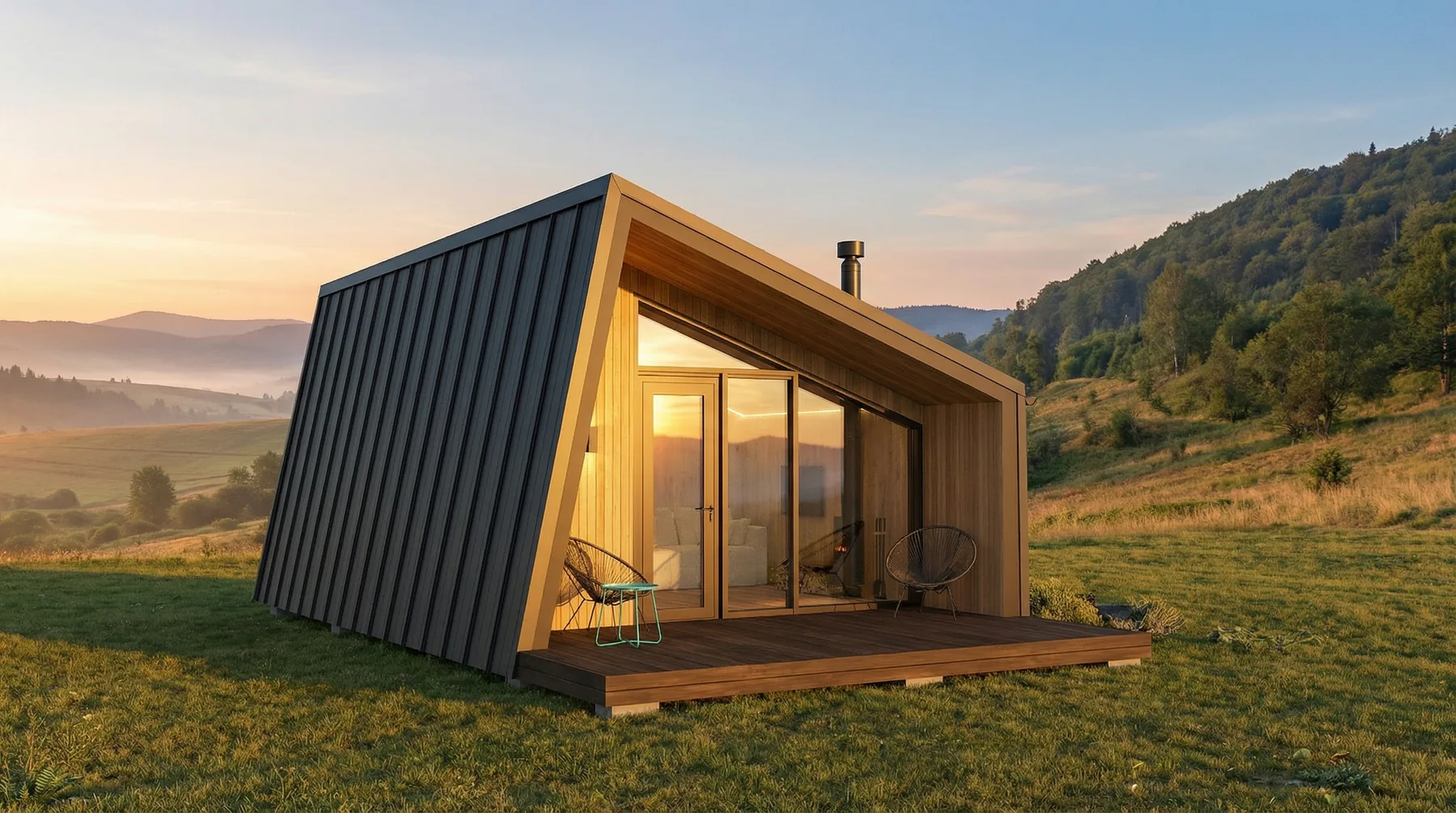
Workforce housing
Client: employer or municipality
Count: 20-80 modules
Revenue: lease or service contract
Why modular: repeatable accommodation near labor demand.
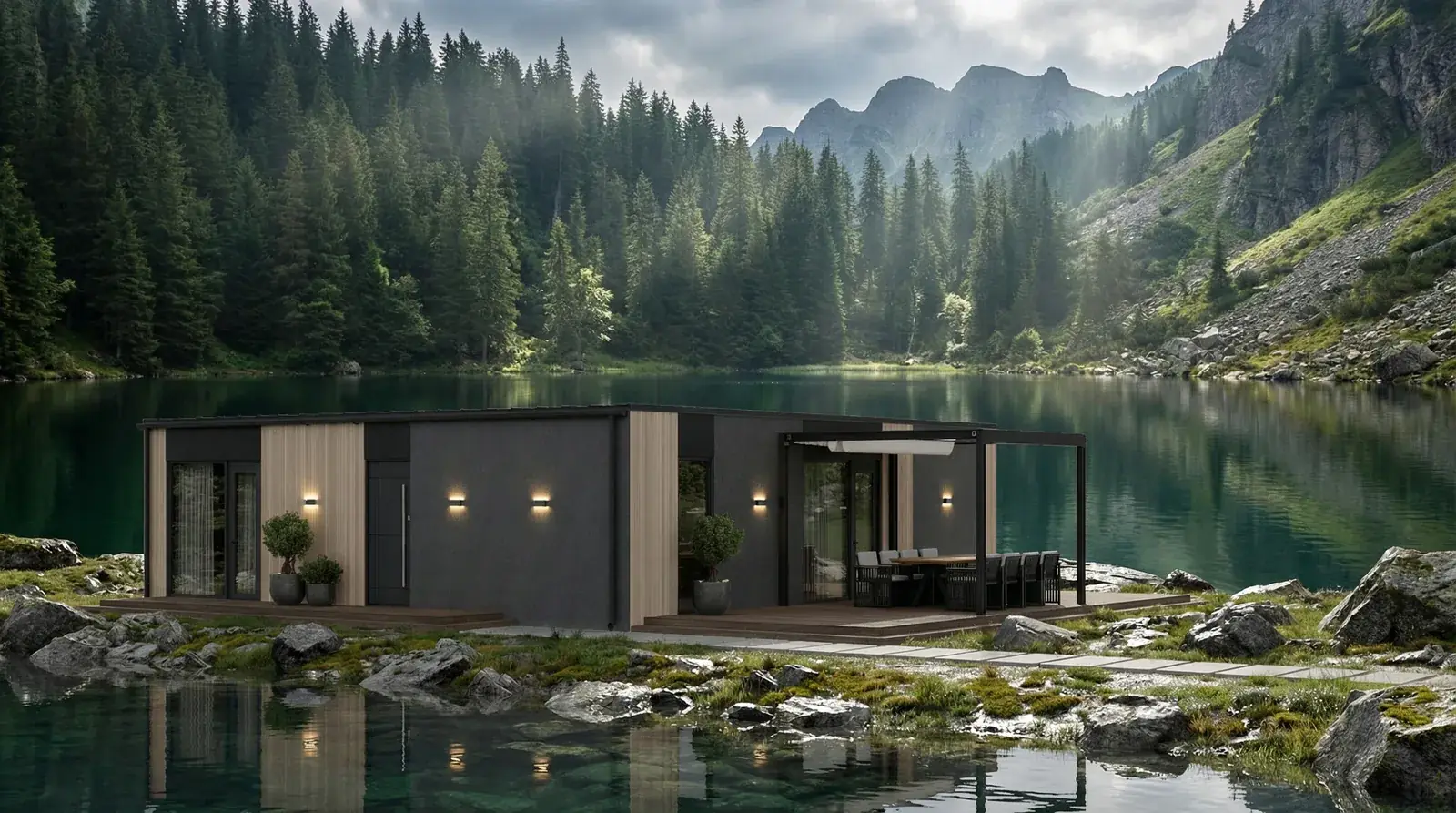
Student / temporary housing
Client: education or city partner
Count: 30+ modules
Revenue: monthly rent
Why modular: phased capacity for constrained housing markets.
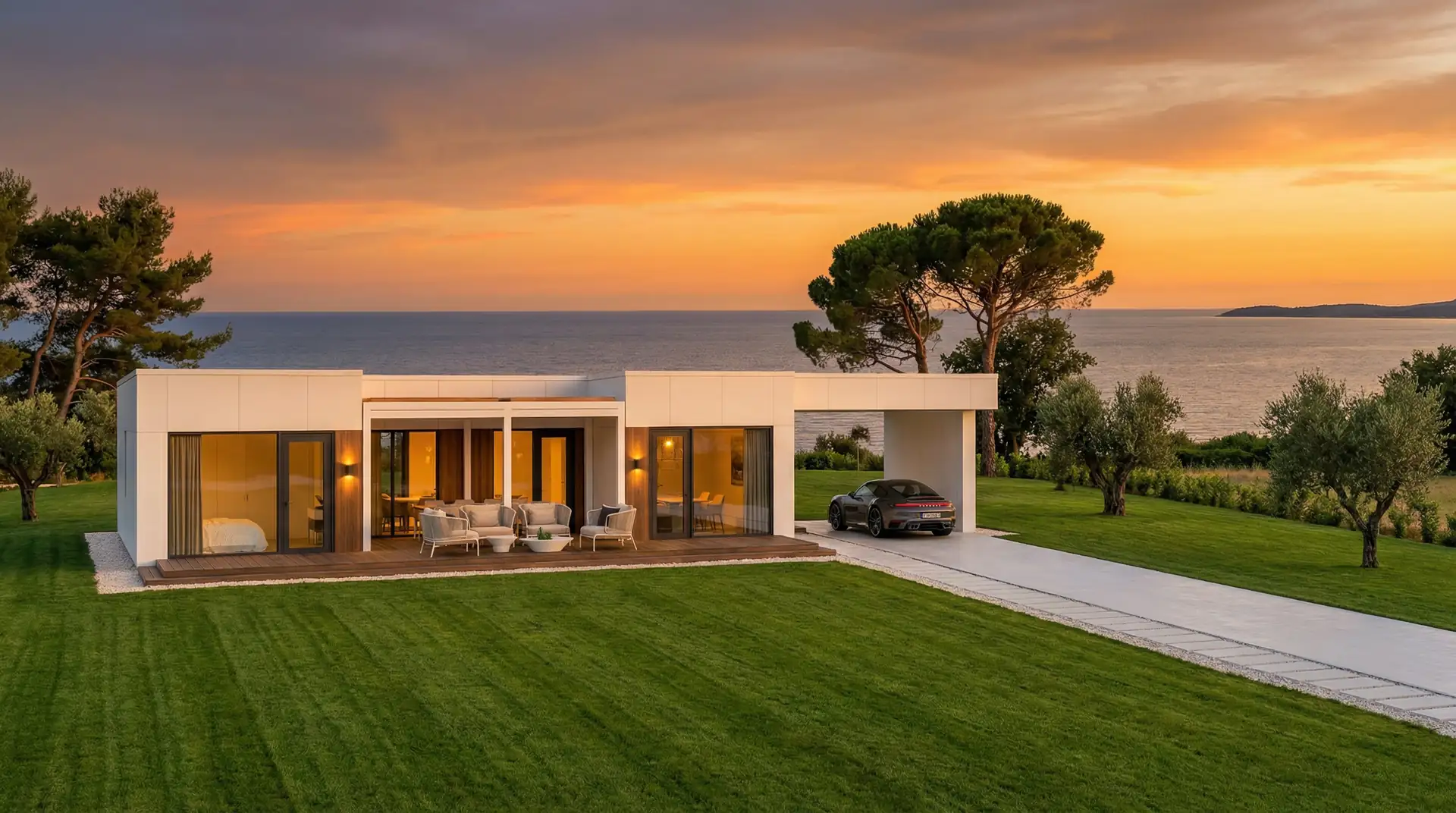
Private villa cluster
Client: land developer
Count: 5-20 modules
Revenue: sale or premium rental
Why modular: coherent product line across multiple plots.
Camping upgrade
Client: existing campsite
Count: 6-25 modules
Revenue: higher ADR and upsells
Why modular: adds premium inventory with limited site disruption.
Buyer investment model
Estimate rental revenue and payback from catalog prices.
This calculator is buyer-facing: the investor buys QHOME units, installs them on land, rents them out and models revenue from ADR, occupancy and operating cost. It does not expose internal QHOME manufacturing economics.
Scenario comparisonAnnual net operating income after OPEX
Indicative model only. It uses catalog starting prices plus a buyer-defined reserve for delivery, installation, utilities, land work and setup. Taxes, financing, land cost, permits, platform fees and local seasonality must be modeled per project.
| Model | Area | Target use | Buyer starting price | Investment use note |
|---|---|---|---|---|
| Alpina | 29.11 m2 | Glamping / hotel room | from EUR 59,800 | Strong visual micro-chalet for premium nightly rental. |
| Magnum | 52.54 m2 | Family rental / resort unit | from EUR 26,910 | Higher-occupancy resort unit for family stays. |
| Zephyr | 90 m2 | Premium villa / residential | from EUR 50,040 | Premium private-stay or villa-rental format. |
| Mantra | 104 m2 | Premium villa / full home | from EUR 64,200 | Large villa unit for premium rental or residential sale. |
| Lumen | 90.19 m2 | Residential / premium rental | from EUR 54,110 | Full-home rental for longer stays and families. |
| Element | 72.6 m2 | Full home / resort unit | from EUR 43,560 | Minimalist rental unit with strong glazing and modern look. |
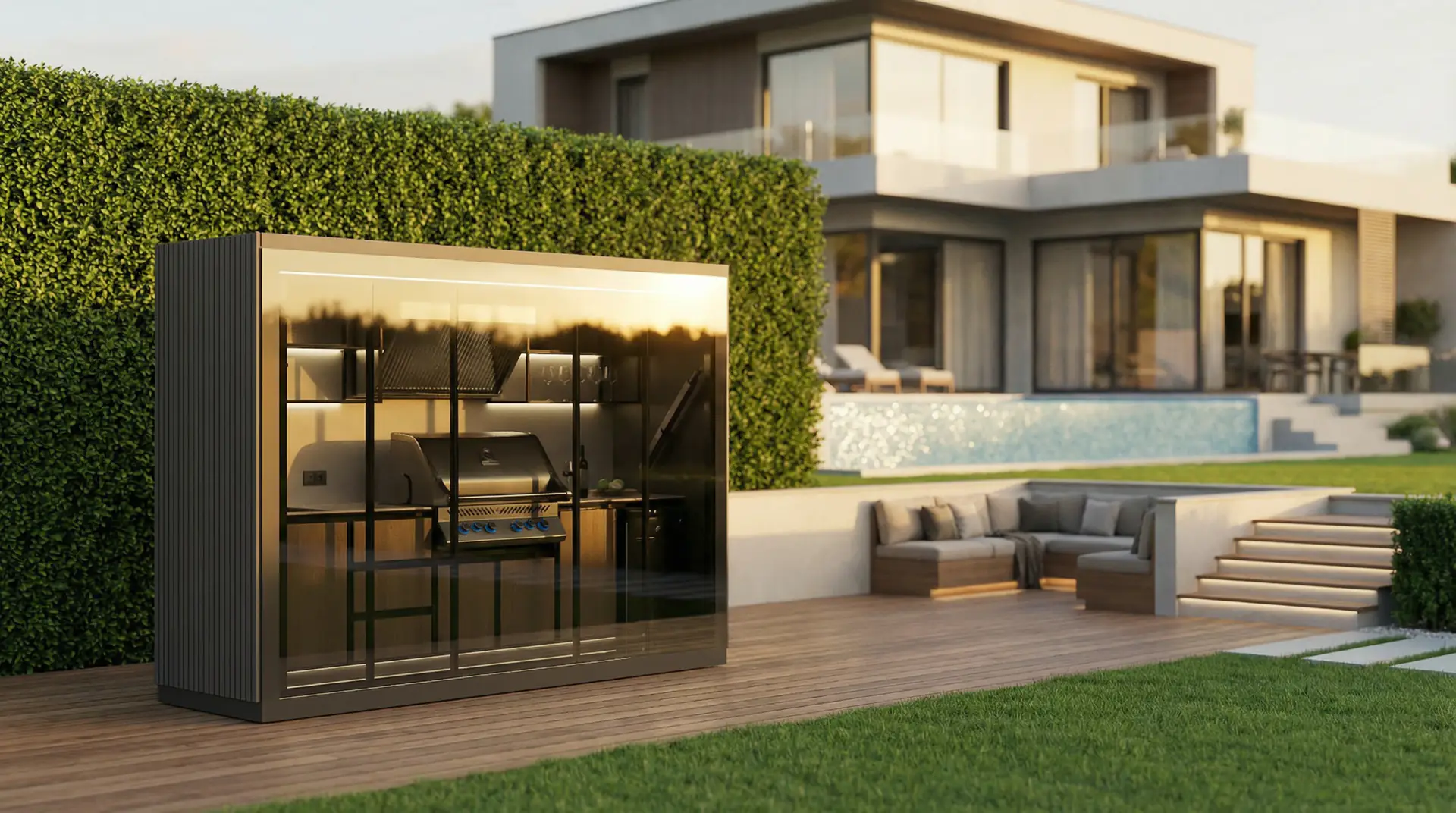
| QBBQ | 7.2 m2 | Outdoor service / upsell | from EUR 10,000 | Food, service and experience add-on, not a sleeping unit. |
| Delta | 31.5 m2 | Compact rental unit | from EUR 21,600 | Compact first-phase unit for fast room-count testing. |
| GEO | 48.22 m2 | Family stay / glamping | from EUR 20,960 | Family or commercial stay with mezzanine. |
| Siena | 48.22 m2 | Glamping / permanent living | from EUR 21,000 | Compact glamping-park or longer-stay unit. |
| Forza | 66 m2 | Full home / private rental | from EUR 39,390 | Covered-terrace home for calm private rental. |
| Sofia | 78 m2 | Full home / family stay | from EUR 46,600 | Single-storey rental home with terrace-led layout. |
| Swift | 25.26-48 m2 | Camping / hotel room | from EUR 15,150 | Flexible S/M/L line for campsite upgrades. |
| Atak | 20-35 m2 | Compact hotel room | from EUR 11,660 | Compact two-person unit for low-CAPEX pilots. |
| Input | Indicative value | Status | Notes |
|---|---|---|---|
| Units | 20 | Example scenario | Replace with site plan. |
| ADR | Project-specific input | To be verified | Use local comps and target guest segment. |
| Occupancy | Project-specific input | To be verified | Model high season, shoulder season and low season. |
| Annual revenue | Calculated from inputs | Indicative | Units x ADR x occupied nights. |
| Operating cost | Project-specific input | To be verified | Cleaning, staff, utilities, platform fees, repairs. |
| EBITDA | Calculated from inputs | Indicative | Revenue minus operating cost before financing/tax. |
| Payback period | Calculated from inputs | Indicative | Must include total project CAPEX and local assumptions. |
The model is indicative. QHOME catalog prices are purchase inputs; investor returns depend on ADR, occupancy, operating cost, site works, delivery, installation, permits, taxes and financing.
Phased development logic
Scale after land and operating assumptions are proven.
Land assessment
Zoning, access, views, utilities, slope, fire routes, noise and environmental constraints.
Concept and financial model
Unit mix, ADR logic, operating model, CAPEX ranges and scenario sensitivity.
Permits and utilities
Local approval path, grid, water, wastewater, roads, foundations and delivery routes.
First 5-10 units
Launch a focused first phase with enough quality to produce real booking data.
Operations launch
Booking channels, cleaning, guest service, maintenance, pricing and review management.
Expansion to 20-50 units
Scale only after economics, demand and land performance are visible.
Why QHOME
Risk questions investors ask before committing capital.
Existing modular product lineReady catalogStandardized modelsAdaptable layoutsTransportable formatFast installation logicSuitable for rental projectsAutonomous / off-grid package optionDesign and visualization supportHospitality and glamping use cases
Proof / traction
Investor proof points to complete before deck circulation.
Factory & operations
Operational inputs required for an investor-grade model.
- Production location
- Shared during diligence
- Monthly capacity
- Shared during diligence
- Lead time
- Shared during diligence
- Supply chain
- Shared during diligence
- Quality control
- Shared during diligence
- Logistics
- Shared during diligence
- Installation team
- Shared during diligence
- Scalability
- Shared during diligence
Investment opportunities
Structures for capital, land and operating partners.
Equity investment
Corporate-level capital for platform growth, production, sales and market expansion.
Project SPV
Asset-level vehicle for a specific modular village or resort project.
Land JV
Landowner contributes site; investor and QHOME structure modular rollout.
Hospitality co-development
Operator-led project with QHOME units and investor capital.
Distribution partnership
Country or region partner for sales, logistics and pipeline development.
White-label manufacturing
Developer supply under partner brand after technical and commercial review.
Investor FAQ
Key questions before diligence.
What is the minimum viable modular village size?
A practical pilot can start with 5-10 units. A commercial village often targets 10-50 units depending on land, utilities, target ADR and operating model.
How fast can a project launch?
Timing depends on permits, utilities, access, production queue and logistics. QHOME structures projects so land preparation and factory production can be planned in parallel where local rules allow.
Can projects be developed in phases?
Yes. Start with a focused first phase, launch operations, then expand after real demand and operating data are available.
What land is suitable?
Suitable land must be checked for zoning, access, utilities, fire routes, environmental restrictions, privacy, views and local treatment of modular units.
Who operates the village?
The investor, a hospitality operator, a campsite team, or a dedicated JV can operate the village. This should be decided before unit mix and site plan are finalized.
What is the expected payback period?
Payback must be modeled per project using verified CAPEX, ADR, occupancy, operating costs, taxes, financing and seasonality. No generic figure is a guarantee.
Can QHOME support permits and logistics?
QHOME can support technical information, model selection, site planning inputs and logistics planning. Final permits must be handled with local professionals and authorities.
Can units be used for glamping and hospitality rental?
Yes, selected QHOME models are suitable for hospitality use cases, subject to local rules, site services and operating requirements.
Can modules be adapted to local regulations?
Adaptation may be possible by project. Local regulatory requirements must be checked before final specification, price and delivery plan are confirmed.
Investor contact
Request the investor deck or discuss a modular village.
Send the country, land status, target number of units and role in the project. QHOME will respond with the next data request and a relevant project pathway.