
Design intent and lifestyle fit
modular home interior design is not only a design style. It is a way to make a small or modular space feel intentional. The best result comes when bed, view, entry, storage, bathroom, kitchen and terrace form one clear routine. Delta, Alpina and Swift show how different compact formats can create different emotional value.
Start with the first 30 seconds
Guests and buyers judge a modular home quickly: arrival, door, smell, light, view and where the body naturally moves after entering.
How the space should work
A compact home must avoid dead zones. Storage belongs near the entry, the bed should feel protected, the bathroom must feel permanent, and the terrace should extend the room. Larger models such as Atak can add privacy and zoning, while compact models must work harder through furniture and light.
Outdoor living is part of the plan
The terrace, path, shade, lighting and optional QBBQ point can make a compact unit feel like a full stay experience.
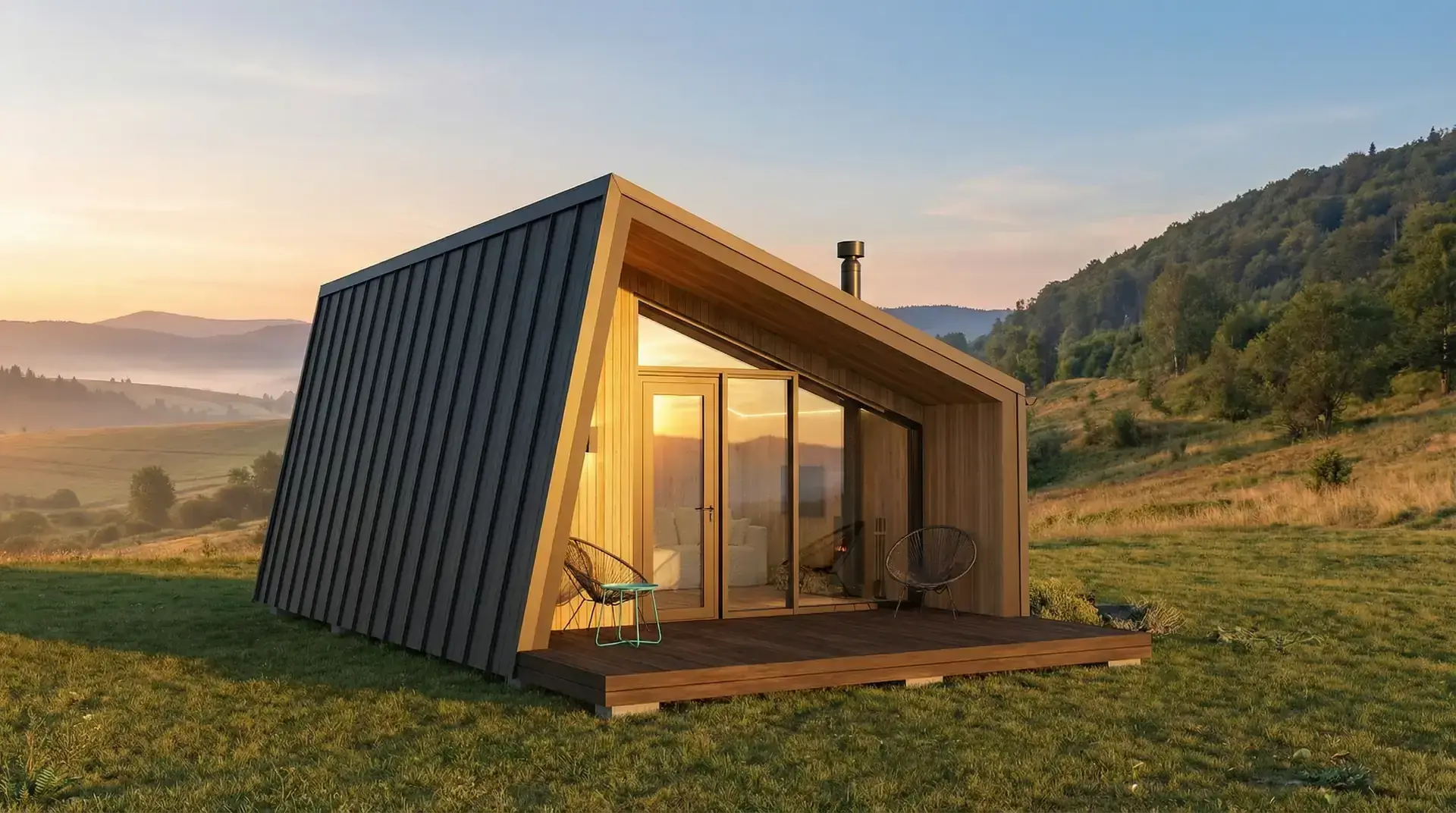
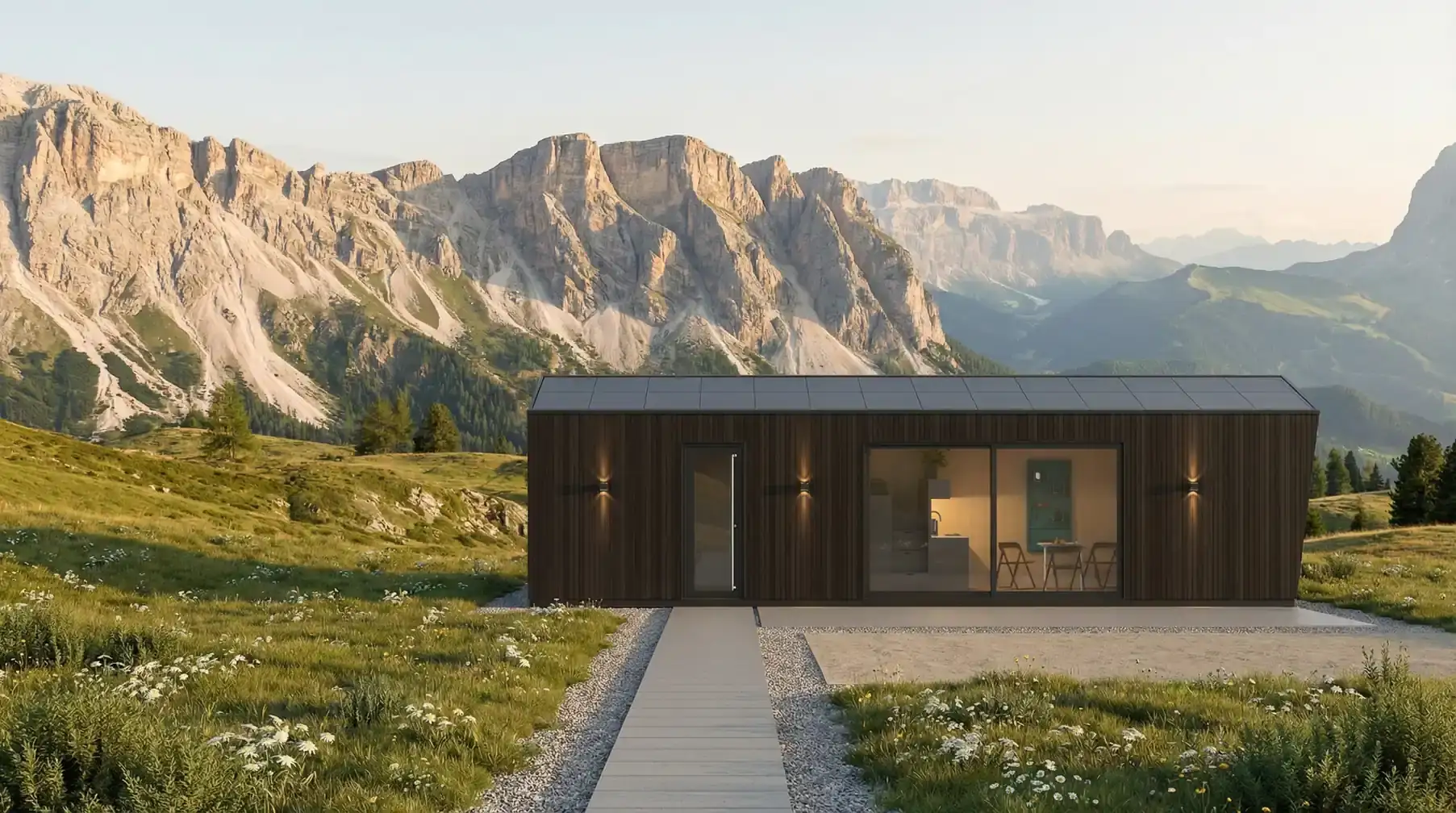
Practical lifestyle scenario
A remote-work buyer might prefer Atak or Swift for a calm workday and separate sleep zone. A weekend retreat buyer might prefer Delta or Alpina because the view and compact routine matter more than extra rooms.
Design development workflow
The design workflow should start with people. Map the first ten minutes after arrival, the morning routine, rainy-day use, night lighting, storage, bathroom privacy and the view from the bed or sofa. Then choose the module that supports those moments rather than the model that only photographs well.
Delta, Alpina and Swift can each create a different emotional promise. The best choice is the one where architecture, furniture, terrace and landscape make a complete stay scenario.
Design checklist
The table below gives a practical comparison lens for this topic. It is not a substitute for a site-specific quote, but it helps frame the first conversation.
| QHOME model | Area | Starting price | Best use |
|---|---|---|---|
| Delta | 26.2–38 m² + terrace | from €21,600 | permanent living |
| Alpina | 29.11 m² | from €59,800 | guest accommodation |
| Swift | 25.26–48 m² | from €15,150 | glamping / hospitality |
| Atak | 20–35 m² | from €11,660 | outdoor revenue |
Common mistake
The common mistake is choosing a beautiful compact home without testing the routine. In a small unit like Delta, every metre must support arrival, storage, cooking, sleeping, cleaning, shade, view and privacy. Design value comes from use, not just aesthetics.
QHOME-specific recommendation
For this topic, QHOME models should be compared by scenario rather than by size alone. The right unit is the one that reduces project risk and matches daily use.
- Delta — 26.2–38 m² + terrace, from €21,600; best fit: compact scenic modular home for couples, guest accommodation and glamping projects.
- Alpina — 29.11 m², from €59,800; best fit: turnkey micro-chalet for glamping and hotel-room use with panoramic lounge and GearBox.
- Swift — 25.26–48 m², from €15,150; best fit: flexible line for camping or private living near the city with light architecture and simple ergonomics.
- Atak — 20–35 m², from €11,660; best fit: compact minimalist home for two people with functional layout and landscape integration.
- QBBQ — 7.2 m², from €10,000; best fit: premium outdoor kitchen for terraces, villas, restaurants, campsites and hospitality projects.
Decision checklist
- start from daily routine, not only from exterior style
- protect privacy between terrace, bed and path of arrival
- make storage visible in the plan
- use lighting and shading to make small areas feel larger
- choose the model that matches how people will actually stay
Questions to ask before the quote
- Which QHOME models should be compared for modular home interior design, and why?
- What is included in the starting price, and what is project-specific?
- What site information is required before a reliable offer?
- Which utilities, smart systems and outdoor additions should be planned now?
- What assumptions could change delivery, installation or operating cost?
Reference notes
- QHOME.EU catalog — Product categories, areas, price ranges and scenarios.
Frontier technology upgrades for modular home interior design in 2026
The newest and most interesting technologies for modular home interior design should be presented in three levels: available now, premium or limited, and watchlist. This keeps the article exciting without promising systems that are not yet bankable, serviceable or legal in the target country.
For remote land, the technical package must be designed as one ecosystem: energy, water, sanitation, internet and service access. The coolest device fails if it cannot be maintained locally.
What is worth mentioning now
| Technology | 2026 status | Why it is exciting | Main caution | QHOME fit |
|---|---|---|---|---|
| Electrochromic smart glass smart glass modular home | premium / design-led | Smart glass can reduce glare and solar heat gain without curtains, especially valuable in panoramic modules and luxury guest units. | cost and replacement complexity are high | Zephyr, Lumen, Mantra, Alpina |
| AI-controlled external shading AI shading modular home | available / premium | External shading controlled by weather, sun angle and occupancy can prevent overheating before HVAC has to work hard. | wind safety and manual override are critical | Zephyr, Lumen, Mantra, QBBQ |
| PCM wall and ceiling comfort panels PCM panels modular home | premium / emerging practical | PCM panels can reduce temperature swings by absorbing heat during the day and releasing it later. | effect depends on climate and temperature setpoint | Zephyr, Alpina, Lumen, Delta |
| Aerogel insulation layer aerogel insulation modular home | premium / specialist | Aerogel can deliver high insulation performance in thin layers, useful where wall thickness, transport width or thermal bridges are critical. | cost is higher than standard insulation | Alpina, Delta, Mantra, Lumen |
| Sensor-monitored root cellar sensor root cellar modular home | available / lifestyle premium | A traditional root cellar becomes a modern resilience feature when humidity, temperature, ventilation and door events are monitored. | drainage and pest control matter more than sensors | Mantra, Sofia, Zephyr, Lumen |
Do not oversell the future
The safest editorial rule: if a technology is a pilot, lab record or infrastructure concept, describe it as a watchlist option. Do not put it into a buyer checklist until the supplier, warranty, installation route and local approval are clear.
- Electrochromic smart glass: Replacing proper shading strategy with expensive glass alone.
- AI-controlled external shading: Trying to fix summer overheating only with air conditioning.
- PCM wall and ceiling comfort panels: Adding PCM without night purge ventilation or a heat-release pathway.
Decision checkpoints before adding frontier tech to a quote
- Electrochromic smart glass: Use for premium panoramic modules where view, privacy and glare control are part of the product.
- AI-controlled external shading: Start with orientation and shading before oversizing cooling.
- PCM wall and ceiling comfort panels: Use PCM where daily temperature swings and passive strategies are part of the design.
- Aerogel insulation layer: Specify aerogel selectively where thickness and thermal performance justify cost.
- Separate “available now” items from “future-ready” preparation in the article and in the commercial conversation.
- Confirm local installer availability, service response time and warranty transfer before recommending the system to a private buyer or hospitality operator.
QHOME-specific recommendation
Design scenario: for panoramic units such as Zephyr or larger lifestyle homes such as Mantra, invest first in shading, ventilation, glazing strategy and thin high-performance envelope details. These are more visible to comfort than exotic equipment hidden in a brochure.
Reference signals behind this 2026 technology layer
- Electrochromic smart glass 2026 patent landscape
- European Commission — Energy Performance of Buildings Directive
- ScienceDirect — 2026 advancements in phase change materials for thermal energy storage
- U.S. DOE — Inexpensive and durable aerogel-based VIP cores
- European Environment Agency — Water scarcity conditions in Europe
FAQ
Who is modular home interior design best for?
It suits buyers who value compact routines, strong views, simple maintenance, outdoor living and a clear connection between architecture and daily experience.
Which QHOME models have the strongest lifestyle angle?
Delta, Alpina and Swift are strong examples: compact scenic stay, premium retreat and flexible guest use.
Can a compact modular home feel spacious?
Yes, if it has good light, storage, terrace connection, privacy, ceiling height, smart furniture and no wasted circulation.
What design choice matters most for guests?
The first view, bed position, bathroom quality, terrace privacy and evening lighting often matter more than extra square metres.
Can lifestyle design improve business performance?
Yes. Better photos, stronger atmosphere and clearer guest experience can support higher ADR and better reviews.